When water invades a property, the impact is immediate and often overwhelming. For small business owners, developers, and residents, the aftermath can mean more than just structural repairs, it can threaten valuable inventory, cherished belongings, and essential business equipment. This is where Water Damage Restoration Bloomfield Hills comes into play, offering hope and practical solutions to save salvageable contents before they are lost for good. Understanding how restoration professionals approach content recovery can make all the difference between a total loss and a successful salvage operation. In this article, we’ll explore the unique strategies, technologies, and decision-making processes that help preserve what matters most after a water disaster. Whether you’re a business owner looking to protect assets, a developer managing multiple properties, or a homeowner facing an unexpected emergency, knowing what can be saved, and how, empowers you to act quickly and confidently when water strikes.
Why Contents Matter in Water Damage Restoration
When water damage occurs, most people focus on the building itself: walls, floors, and ceilings. However, the contents inside, furniture, electronics, documents, inventory, and personal items, often represent the true value of a space. For small businesses, the loss of equipment or stock can disrupt operations and cause financial setbacks. For homeowners, sentimental items and essential documents can be irreplaceable. The goal of water damage restoration is not just to repair structures, but to save as many contents as possible, minimizing both emotional and financial loss.
Restoration professionals assess each item’s material, exposure duration, and the type of water involved. Clean water from a burst pipe poses different risks than contaminated floodwater. This careful evaluation determines what can be safely restored and what must be discarded. By focusing on contents early in the process, restoration teams can prioritize items that are most vulnerable to permanent damage, such as paper records, electronics, and porous materials.
Local experts like Bloomfield Construction understand the unique needs of businesses and residents in the area. Their approach emphasizes not just drying and cleaning, but also the preservation of valuable contents, ensuring clients can recover more than just their building’s structure.
The Science Behind Salvaging Water-Damaged Contents
Effective content restoration is rooted in science. Understanding how different materials react to water exposure is essential for making informed decisions about what can be saved. For example, wood furniture may swell and warp, but with prompt drying and refinishing, it can often be restored. Electronics require specialized drying and cleaning to prevent corrosion and short circuits. Textiles and documents need immediate attention to prevent mold growth and staining.
Restoration professionals use a variety of techniques to salvage contents, including freeze-drying for documents, ultrasonic cleaning for electronics, and specialized detergents for textiles. The choice of method depends on the item’s material, the extent of the damage, and the level of contamination. Advanced moisture meters and infrared cameras help pinpoint hidden dampness, ensuring no item is overlooked.
For a deeper dive into how secondary water damage can affect contents and how to spot early warning signs, check out How to Spot Secondary Water Damage Before It Spreads in Bloomfield Hills Homes. Understanding these risks helps property owners act quickly to preserve what matters most.
Critical Steps in Content Recovery After Water Damage
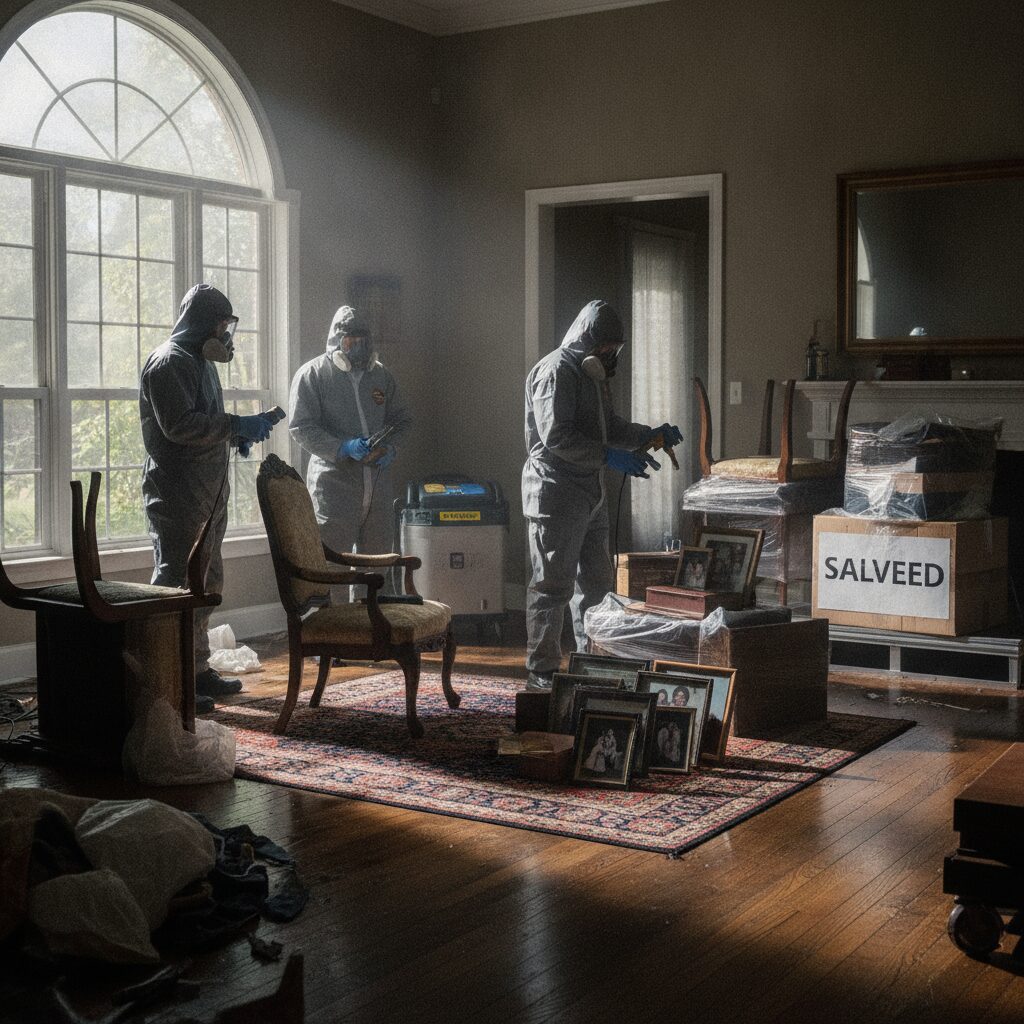
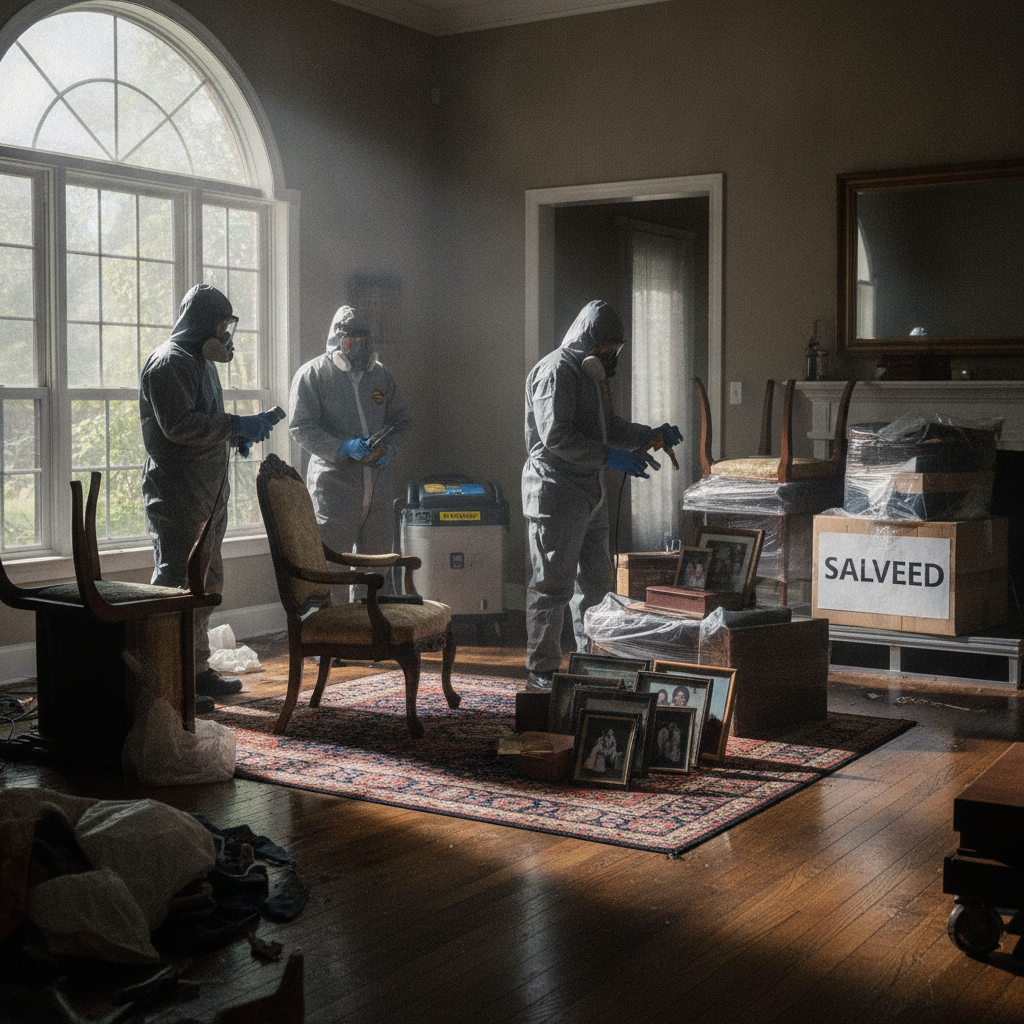
Content recovery is a multi-step process that begins the moment restoration professionals arrive on site. The first priority is to identify and remove items at immediate risk of irreversible damage. This often includes electronics, paper documents, and textiles. Each item is carefully documented, photographed, and tagged for tracking throughout the restoration process.
Once items are removed from the affected area, they are sorted based on the type and extent of damage. Salvageable items are cleaned, dried, and treated using specialized equipment. Items that cannot be safely restored are documented for insurance purposes and disposed of in accordance with local regulations. Throughout the process, communication with property owners is key, ensuring transparency and informed decision-making.
For those interested in how water and fire damage can create hidden hazards that threaten contents, Understanding the Hidden Hazards After Fire Damage in Bloomfield Hills offers valuable insights into the importance of swift, professional intervention.
Assessing What Can Be Saved Versus Replaced
One of the most challenging aspects of water damage restoration is deciding which contents are truly salvageable. Restoration specialists use a combination of experience, scientific assessment, and industry guidelines to make these decisions. Items exposed to clean water for a short period are often good candidates for restoration. However, items contaminated by sewage or standing water for extended periods may pose health risks and require disposal.
Factors considered include the item’s material, age, value, and sentimental importance. For businesses, this might mean prioritizing expensive equipment or inventory. For homeowners, family heirlooms or irreplaceable photos may take precedence. Restoration teams work closely with property owners to understand their priorities and provide clear guidance on the best course of action.
Insurance companies may also play a role, requiring documentation and justification for restored or replaced items. Thorough records, including photographs and damage reports, streamline the claims process and help ensure fair compensation.
Advanced Techniques for Document and Electronics Recovery
Documents and electronics are among the most vulnerable contents during a water event, yet they are often the most valuable. Restoration professionals use advanced techniques to give these items the best chance at recovery. Freeze-drying, for example, is a process where wet documents are frozen and then dried in a vacuum chamber, preventing ink from running and paper from sticking together.
Electronics require careful handling to avoid further damage. Restoration teams disassemble devices, clean internal components with specialized solutions, and use controlled drying environments to remove moisture. While not every device can be saved, prompt professional intervention increases the odds of successful recovery.
For businesses, salvaging computers, servers, and point-of-sale systems can mean the difference between a quick recovery and prolonged downtime. For homeowners, recovering digital memories and important records offers peace of mind during a stressful time.
Furniture, Textiles, and Inventory: Cleaning and Deodorizing Methods
Furniture, textiles, and inventory items like clothing, rugs, and soft goods can often be saved if addressed quickly. Restoration professionals use industrial-grade cleaning solutions and equipment to remove contaminants, stains, and odors. Upholstered furniture is treated with antimicrobial agents to prevent mold and mildew. Rugs and carpets are cleaned using hot water extraction and deodorizing treatments.
For businesses, inventory like packaged goods or retail stock may require specialized cleaning or repackaging to ensure safety and compliance. Restoration teams work efficiently to minimize business interruption and protect valuable assets. Homeowners benefit from the restoration of cherished items, reducing the emotional toll of a water disaster.
The key to successful textile and furniture recovery is speed. The longer these items remain wet, the greater the risk of permanent staining, odor absorption, and microbial growth. Professional intervention ensures a thorough, safe, and effective cleaning process.
The Role of Pack-Out Services in Content Protection
Pack-out services are a critical component of content restoration. When a property is severely affected by water, it’s often necessary to remove contents to a secure, off-site facility for cleaning and storage. This process, known as a pack-out, protects items from further damage and allows restoration teams to work efficiently on both the building and its contents.
During a pack-out, each item is carefully inventoried, photographed, and packed using specialized materials to prevent damage during transport. At the restoration facility, contents are cleaned, dried, and deodorized using advanced equipment. Once the property is restored, items are returned in pre-loss condition whenever possible.
Pack-out services offer peace of mind to property owners, ensuring that valuable contents are protected and professionally handled throughout the restoration process. This approach also streamlines insurance claims by providing detailed documentation of all items removed, cleaned, or replaced.
Table: Common Contents and Recommended Restoration Methods
| Content Type | Recommended Restoration Method | Salvage Likelihood |
|---|---|---|
| Documents & Paper Records | Freeze-drying, gentle cleaning | Moderate to High (if quick action) |
| Electronics | Disassembly, specialized drying | Moderate (depends on exposure) |
| Furniture (Wood/Upholstery) | Drying, cleaning, refinishing | High (if not contaminated) |
| Textiles & Clothing | Cleaning, deodorizing | High (if cleaned quickly) |
| Inventory/Stock | Cleaning, repackaging | Varies (depends on type) |
This table highlights common contents affected by water damage and the best-practice methods used to restore them. The likelihood of successful salvage increases with prompt, professional intervention and depends on material type and exposure duration.
How Restoration Professionals Prioritize Contents
When faced with a room full of water-damaged items, restoration teams must act quickly and strategically. Prioritization is based on several factors: the value of the item, its vulnerability to further damage, and its importance to the property owner. For example, irreplaceable documents and electronics are often addressed first, as they deteriorate rapidly and can be costly to replace.
Professionals also consider the type of water involved. Clean water incidents allow for more items to be salvaged, while contaminated water may limit what can be safely restored. By categorizing contents and creating a clear action plan, restoration teams maximize the number of items that can be saved while minimizing health risks and costs.
Effective communication with property owners ensures that their priorities are reflected in the recovery process. This collaborative approach helps achieve the best possible outcome for everyone involved.
The Importance of Speed and Professional Equipment
Time is of the essence when it comes to saving contents after water damage. The longer items remain wet, the higher the risk of permanent damage, mold growth, and contamination. Professional restoration companies use high-capacity dehumidifiers, air movers, and moisture meters to accelerate the drying process and monitor progress in real time.
Specialized cleaning equipment, such as ultrasonic cleaners and freeze-drying chambers, allow for the safe and effective restoration of sensitive items. These tools are not typically available to the general public, highlighting the value of professional intervention. By acting quickly and using the right equipment, restoration teams can save more contents and reduce overall recovery costs.
For business owners and residents in this community, having a trusted local restoration partner means faster response times and better outcomes for both property and contents.
Working With Insurance to Maximize Content Recovery
Navigating insurance claims after water damage can be complex, especially when it comes to contents. Restoration professionals play a crucial role in documenting damage, providing detailed inventories, and justifying restoration versus replacement decisions. This documentation not only supports insurance claims but also helps property owners receive fair compensation for lost or damaged items.
Working with experienced restoration teams streamlines the claims process. They understand what insurance adjusters need and can advocate for the restoration of high-value or sentimental items. Prompt action and thorough documentation are key to maximizing recovery and minimizing out-of-pocket expenses for property owners.
Clear communication between restoration professionals, insurance companies, and property owners ensures a smoother recovery process and helps everyone move forward after a water event.
Final Thoughts
Water damage can be a devastating experience, but with the right approach, many contents can be saved and restored to their pre-loss condition. By understanding the science behind content recovery, acting quickly, and working with experienced professionals, property owners in Bloomfield Hills and the surrounding area can protect what matters most. From advanced drying techniques to meticulous documentation, every step in the restoration process is designed to maximize salvage and minimize loss. Whether you are a business owner, developer, or homeowner, knowing how water damage restoration helps save salvageable contents empowers you to make informed decisions and recover with confidence when disaster strikes.