Water damage can strike unexpectedly, leaving business owners and property managers scrambling to protect their investments. Whether it’s a burst pipe, a heavy rainstorm, or a hidden leak, the aftermath can be overwhelming. Water Damage Restoration Bloomfield Hills is not just about removing visible water, it’s a comprehensive process that includes drying, dehumidification, and structural repairs to ensure your property is safe, healthy, and fully restored. Understanding each step is crucial for making informed decisions, minimizing downtime, and preventing long-term issues like mold or structural instability. In this guide, we’ll break down the essential phases of water damage recovery, highlight the latest techniques, and offer practical advice for business owners, developers, and anyone facing water-related challenges in this community. Whether you’re dealing with a minor leak or a major flood, knowing what to expect can help you respond swiftly and effectively, protecting both your property and your peace of mind.
Understanding the Water Damage Restoration Process
When water invades a property, the initial shock can quickly turn into concern about the next steps. Water damage restoration is a multi-phase process designed to address both immediate and long-term risks. The first priority is always safety, ensuring that electricity is shut off, structural hazards are identified, and the area is secure for entry. Once these basics are covered, restoration professionals assess the extent of the damage, identifying the source of water and categorizing the contamination level. This assessment guides the entire recovery plan, from water extraction to final repairs.
Modern restoration companies use advanced tools like moisture meters and infrared cameras to detect hidden dampness behind walls and under floors. This technology helps ensure that no water is left behind to cause future problems. The restoration process typically follows a clear sequence: initial assessment, water removal, drying and dehumidification, cleaning and sanitizing, and finally, structural repairs. Each phase is critical for restoring both the function and safety of the property.
For small business owners and developers, working with a trusted local expert like Bloomfield Construction can make all the difference. Their experience with commercial and residential properties in the area means they understand the unique challenges posed by the local climate and building codes.
Why Drying Is More Than Just Removing Water
It’s easy to assume that once standing water is gone, the problem is solved. In reality, drying is a critical step that goes far beyond surface-level cleanup. Water can seep into porous materials, drywall, insulation, wood framing, and subfloors, where it lingers out of sight. If not thoroughly dried, these materials can warp, weaken, or become breeding grounds for mold and bacteria.
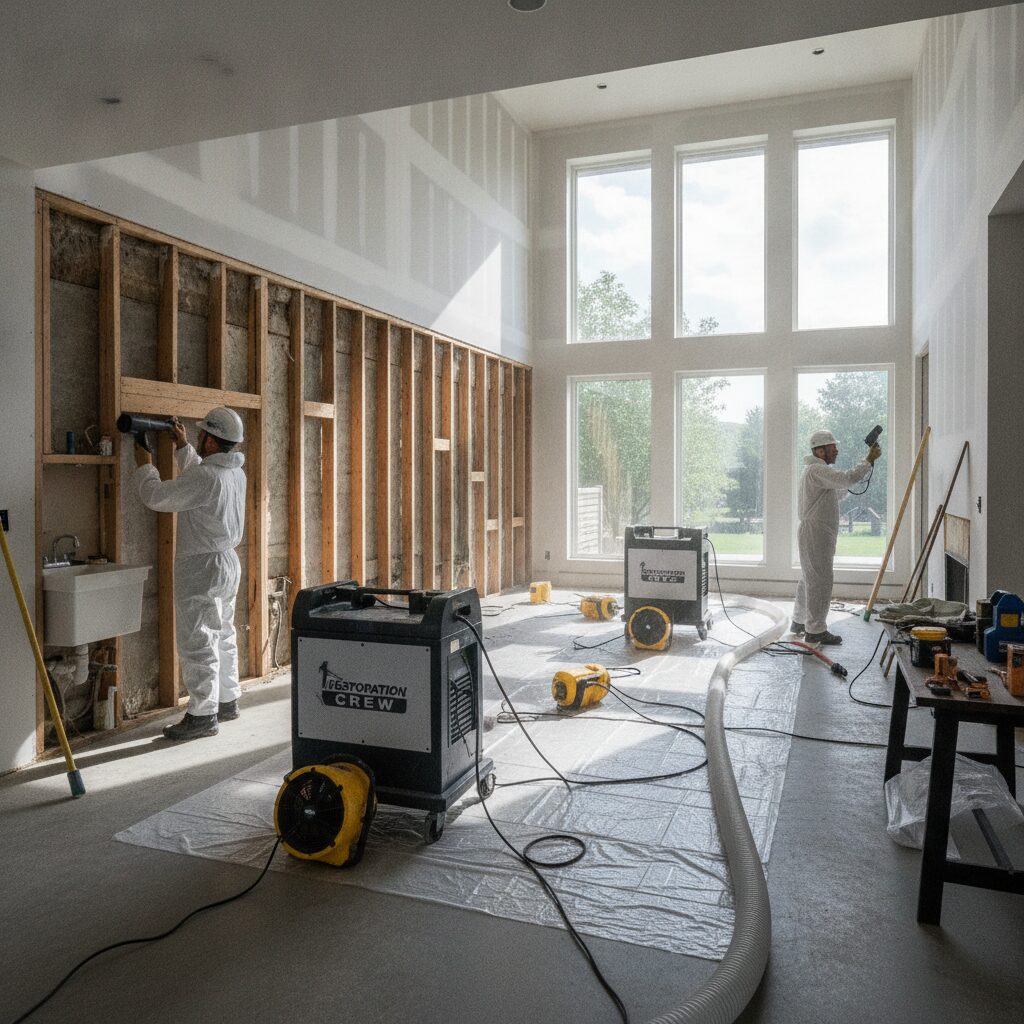
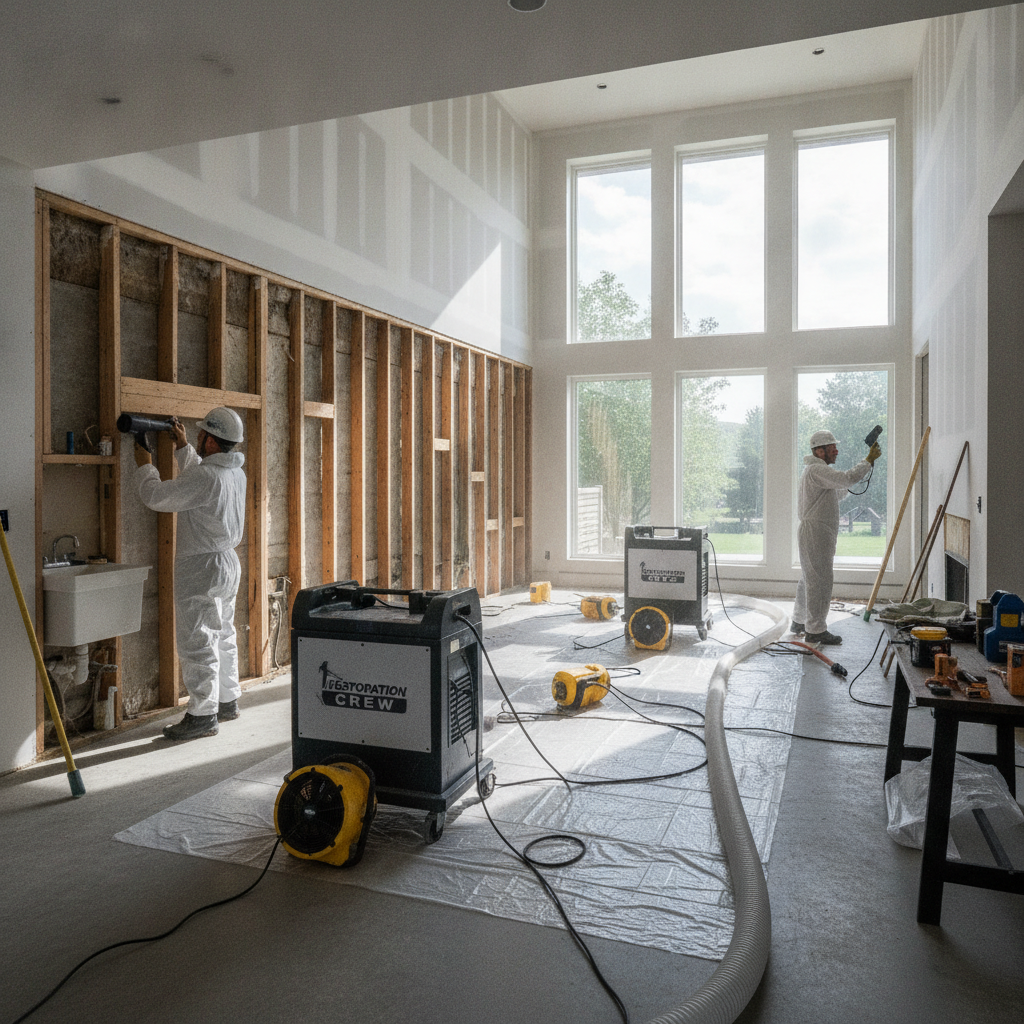
Restoration professionals use high-powered air movers and industrial-grade dehumidifiers to accelerate evaporation and pull moisture from deep within building materials. The process is carefully monitored with moisture detection tools to ensure every affected area reaches a safe, dry state. This attention to detail is especially important in commercial settings, where hidden moisture can disrupt operations or lead to costly repairs down the line.
Ignoring thorough drying can have serious consequences, especially in regions with variable weather. For example, failing to dry a subfloor properly can result in buckling or rot months later. That’s why experts recommend a full evaluation before moving on to repairs or rebuilding. If you’re unsure whether your property is truly dry, consider reviewing resources like Signs Your Bloomfield Hills Roof Needs an Inspection Before Winter for related maintenance tips.
Dehumidification: The Unsung Hero of Recovery
While drying removes visible moisture, dehumidification tackles the water vapor that lingers in the air and within materials. This step is vital for preventing secondary damage and for ensuring a healthy indoor environment. High humidity can encourage mold growth, cause paint to peel, and even affect electronics and documents stored on site.
Dehumidifiers come in various sizes and types, from portable units for small rooms to large, truck-mounted systems for expansive commercial spaces. Restoration teams strategically place these units to optimize airflow and moisture removal. The process may take several days, depending on the extent of the water intrusion and the building’s construction.
Monitoring humidity levels is a science in itself. Professionals use hygrometers and other sensors to track progress, adjusting equipment as needed to achieve ideal conditions. This phase is also when moisture mapping plays a crucial role, helping teams identify pockets of dampness that could otherwise be missed. For a deeper dive into this topic, check out What Happens During Professional Moisture Mapping in Bloomfield Hills Water Restoration.
Structural Repairs After Water Damage
Once moisture levels are under control, attention turns to repairing the damage left behind. Water can compromise a building’s structure in subtle ways, from softening drywall to rusting metal supports or weakening wooden beams. In some cases, entire sections of wall, flooring, or ceiling may need to be replaced to restore the property’s integrity.
Professionals begin with a thorough inspection, looking for signs of warping, staining, or mold. Damaged materials are carefully removed and replaced with new, code-compliant components. This phase may also involve reinforcing structural elements, upgrading insulation, or improving drainage systems to prevent future incidents. For business owners, investing in quality repairs now can save significant costs and headaches in the future.
It’s also an opportunity to upgrade or modernize certain aspects of the property. For example, replacing traditional drywall with moisture-resistant panels, or improving ventilation in previously affected areas. These enhancements not only restore but also improve the property’s value and resilience.
How Moisture Mapping Guides Effective Restoration
Moisture mapping is a sophisticated technique that provides a detailed picture of where water has traveled within a structure. Using a combination of thermal imaging, moisture meters, and visual inspection, restoration teams can create a map that highlights both obvious and hidden damp spots. This information is invaluable for targeting drying and dehumidification efforts, ensuring that no area is overlooked.
For small businesses, moisture mapping can mean the difference between a quick recovery and lingering problems. By identifying moisture trapped behind walls, under floors, or above ceilings, professionals can address issues before they escalate into mold or structural decay. The process is non-invasive and provides peace of mind that the property is truly restored.
Moisture mapping also creates a documented record of the restoration process, which can be helpful when working with insurance providers or planning future maintenance. It’s a best practice that’s rapidly becoming standard in the industry, especially for properties with complex layouts or valuable contents.
Preventing Mold and Secondary Damage
One of the greatest risks after water damage is the potential for mold and secondary issues. Mold can begin to grow within 24 to 48 hours in damp conditions, posing health risks and further damaging building materials. Secondary damage includes warping, corrosion, and the breakdown of adhesives or finishes.
Effective prevention starts with rapid response and thorough drying. Restoration teams often apply antimicrobial treatments to affected surfaces, especially in areas that are prone to mold growth like basements and bathrooms. Air filtration devices may also be used to capture airborne spores during cleanup.
Business owners should also be proactive about regular inspections and maintenance. Ensuring that gutters, downspouts, and drainage systems are clear can help prevent future water intrusion. Investing in moisture-resistant materials and proper ventilation will further reduce the risk of recurring problems.
Choosing the Right Equipment for Drying and Dehumidification
The effectiveness of drying and dehumidification depends heavily on the equipment used. Restoration professionals have access to a range of specialized tools designed for different building types and sizes. Air movers, dehumidifiers, and moisture meters are the core components, but there are also injectidry systems for wall cavities and floor drying mats for hardwood surfaces.
Selecting the right combination of equipment is both an art and a science. Factors like room size, humidity levels, building materials, and the extent of the damage all play a role. Professionals calculate the number of air exchanges needed per hour and adjust their setup accordingly. This ensures efficient drying without causing additional stress to the building’s structure.
For business owners, understanding the basics of this equipment can help in conversations with restoration teams and in making informed decisions about service providers. It’s also useful for those considering investing in their own small-scale dehumidifiers for ongoing maintenance.
A Comparison of Drying and Dehumidification Tools
| Equipment | Primary Use | Best For |
|---|---|---|
| Air Movers | Accelerating evaporation of moisture from surfaces | Large open areas, carpets, floors |
| Dehumidifiers | Removing moisture from the air | Enclosed spaces, basements, offices |
| Moisture Meters | Detecting hidden water in materials | Walls, floors, ceilings |
| Injectidry Systems | Drying inside wall cavities | Drywall, insulation, behind cabinets |
| Floor Drying Mats | Extracting moisture from hardwood floors | Wood floors, specialty surfaces |
This table highlights the diverse range of equipment used in professional water damage restoration. Each tool serves a specific purpose, and the right combination ensures complete recovery for homes and businesses alike.
Navigating Insurance and Documentation
Dealing with insurance claims is often one of the most stressful aspects of water damage recovery. Proper documentation is key to a smooth process. Restoration professionals typically provide detailed reports, photographs, and moisture readings to support your claim. These records demonstrate the extent of the damage, the steps taken for remediation, and the final condition of the property.
It’s important to contact your insurance provider as soon as possible after discovering water damage. Keep records of all communications, and don’t discard damaged materials until they’ve been documented. Some policies require specific procedures or approvals before work can begin, so clarity and transparency are essential.
For business owners, working with restoration companies experienced in insurance coordination can save time and reduce frustration. They can help interpret policy language, advocate on your behalf, and ensure that your claim is processed efficiently.
Restoration Best Practices for Local Businesses
Local businesses face unique challenges when it comes to water damage restoration. Minimizing downtime and protecting inventory or sensitive equipment are top priorities. One best practice is to develop an emergency response plan that includes contact information for trusted restoration professionals, steps for shutting off utilities, and protocols for employee safety.
Regular maintenance, such as inspecting plumbing and roofing, can help prevent water damage before it starts. Training staff to recognize early warning signs, like musty odors, discoloration, or unexplained humidity, can lead to faster action and less severe damage. For properties with high-value assets, consider investing in water detection sensors or automatic shutoff systems for added protection.
Finally, building relationships with local restoration experts ensures that help is available when you need it most. Their familiarity with the region’s climate, construction styles, and regulations means they can tailor their approach to your specific needs.
Key Takeaways
Recovering from water damage is a complex process that requires more than just removing visible water. Drying, dehumidification, and structural repairs are all essential for restoring safety, value, and peace of mind. For business owners and property managers, understanding each phase, from moisture mapping to equipment selection, empowers you to make informed decisions and protect your investment for the long term.
By working with experienced professionals and staying proactive about maintenance, you can minimize the impact of water damage and ensure a swift, thorough recovery. Remember, every property is unique, and a tailored approach is the best way to prevent future issues. Whether you’re facing a minor leak or a major flood, the right knowledge and support make all the difference in bringing your property back to its best.