Hardwood floors are a prized feature in many properties, offering warmth, elegance, and lasting value. However, when water damage strikes, whether from a burst pipe, appliance leak, or storm, these beautiful surfaces can quickly become vulnerable to warping, staining, and even structural failure. For small business owners, developers, and residents alike, understanding the ins and outs of water damage restoration Bloomfield Hills is crucial for preserving both the look and integrity of hardwood floors. In this guide, we’ll explore the science behind water’s impact on wood, practical steps for immediate response, and long-term strategies to ensure your floors remain a lasting asset. Whether you’re facing an active emergency or planning ahead, knowing how to protect hardwood floors after water exposure can save significant time, money, and frustration.
How Water Affects Hardwood Floors
Water is the nemesis of hardwood flooring. Unlike tile or vinyl, wood is a porous material that readily absorbs moisture. When water seeps into the planks, it causes the fibers to swell, leading to cupping (edges rising), crowning (center rising), buckling, and even separation from the subfloor. The extent of damage depends on the amount of water, how long it sits, and the type of wood installed. Engineered hardwood may fare slightly better than solid hardwood, but both can suffer severe damage if not addressed quickly.
In addition to visible changes, water can compromise the finish, leaving dull spots or white stains. Prolonged exposure may also foster mold and mildew growth beneath the surface, which can threaten indoor air quality and the structural integrity of the floor. This is why rapid, expert intervention is essential when hardwood floors are exposed to water.
For property owners in the area, working with local professionals like Bloomfield Construction ensures that water damage is addressed with the right tools, expertise, and urgency. Understanding the science behind water’s effect on wood is the first step in making informed decisions about restoration and prevention.
Immediate Steps to Take After Water Exposure
When water first hits your hardwood floors, time is of the essence. The faster you act, the greater the chance of saving the flooring and avoiding costly repairs. Start by stopping the source of water, whether that means shutting off a valve or containing a spill. Next, remove as much standing water as possible using towels, mops, or a wet/dry vacuum. Avoid using a household vacuum, as it’s not designed for water and could present an electrical hazard.
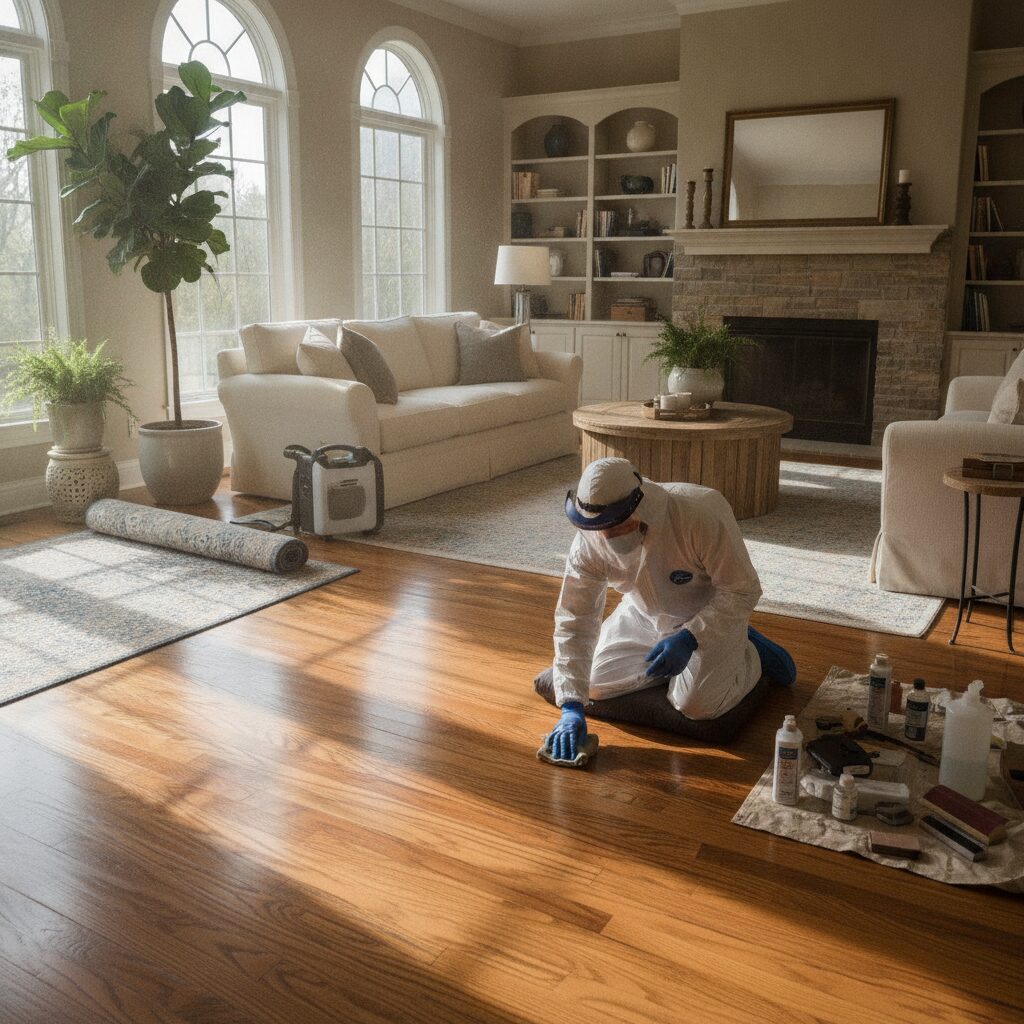
Once the bulk of the water is gone, increase ventilation in the affected area. Open windows and doors, and set up fans to circulate air. Dehumidifiers are especially effective for pulling moisture out of both the air and the wood itself. If possible, remove rugs, furniture, and other items from the room to allow the floor to dry evenly and thoroughly.
It’s important to note that not all moisture is visible. Water can seep into cracks, under baseboards, and beneath the floorboards. For a comprehensive assessment and targeted drying, consider professional services that utilize advanced tools and techniques. For a detailed look at one such process, see What Happens During Professional Moisture Mapping in Bloomfield Hills Water Restoration.
Recognizing Signs of Hidden Damage
Not all water damage is immediately visible. Sometimes, the most significant threats lurk beneath the surface, slowly compromising your hardwood floors over time. Early detection is key to preventing irreversible harm. Look for subtle changes in the floor’s appearance and feel. Cupping, where the edges of the boards are higher than the center, is a classic indicator of moisture absorption. Crowning, on the other hand, occurs when the center of the board rises above the edges, often after improper drying.
Other telltale signs include discoloration, persistent musty odors, and squeaking or shifting underfoot. If you notice any of these symptoms, it’s wise to investigate further. Moisture meters can help determine the extent of hidden water, and professional inspections can reveal issues that aren’t apparent to the naked eye. Ignoring these signs can lead to mold growth, wood rot, and even structural instability.
For those interested in understanding the broader risks associated with water and fire incidents, Understanding the Hidden Hazards After Fire Damage in Bloomfield Hills provides valuable context on how hidden damage can impact a property long after the initial event.
Drying Techniques for Hardwood Floors
Once the immediate water is removed, the focus shifts to thorough drying. Simply letting the floor air dry is rarely enough, especially for hardwood. Professional-grade air movers and dehumidifiers are often required to extract moisture from deep within the boards and subfloor. In some cases, technicians may use floor drying mats, which are placed directly on the surface to pull water up and out through suction.
Heat can also be applied carefully to accelerate evaporation, but it must be managed to avoid causing the wood to dry too quickly and crack. The drying process may take several days, depending on the severity of the water exposure and the thickness of the flooring. Throughout this process, moisture levels should be monitored with specialized meters to ensure that the floor is returning to a safe, stable state.
Attempting to dry hardwood floors without the right equipment or expertise can lead to uneven results and lingering issues. That’s why many property owners in this community rely on restoration professionals who can tailor their approach to the specific needs of each floor type and situation.
When to Consider Floorboard Removal
In some cases, even the most aggressive drying techniques may not be enough to save every board. If water has penetrated deeply or has been allowed to sit for an extended period, sections of the floor may need to be removed to prevent mold and further structural damage. Signs that removal is necessary include persistent buckling, soft spots, or visible mold growth.
Removing floorboards is a delicate process that should be handled by professionals. They will carefully lift the affected boards, dry the subfloor, and treat any mold or mildew before reinstalling or replacing the wood. In many cases, only a portion of the floor needs to be replaced, which can help preserve as much of the original material as possible.
It’s important to act quickly if you suspect that removal is necessary. Delaying this step can lead to more extensive damage and higher repair costs. Restoration experts can help you determine the best course of action based on the specific conditions in your property.
Restoring the Finish and Appearance
Once the hardwood floors are fully dried and any necessary repairs have been made, attention turns to restoring their appearance. Water damage can leave behind stains, dull spots, and uneven finishes. Depending on the extent of the damage, the floor may need to be sanded and refinished. This process involves removing the top layer of finish and, in some cases, a thin layer of wood to eliminate surface imperfections.
After sanding, a new finish is applied to protect the wood and restore its natural beauty. There are many types of finishes available, including oil-based, water-based, and polyurethane options. The choice will depend on the type of wood, the desired look, and the level of durability required. In some cases, spot repairs may be possible, but for widespread damage, a full refinish is usually the best option.
Professional restoration teams can help match the new finish to the existing floor, ensuring a seamless look. This step is essential for maintaining the value and appeal of your property after water damage.
Preventing Future Water Damage
Protecting your hardwood floors from future water damage is just as important as addressing current issues. Start by identifying and fixing potential sources of leaks, such as faulty plumbing, aging appliances, or poor window seals. Regular inspections can help catch problems early, before they escalate into major incidents.
Consider using area rugs or mats in high-risk areas like entryways, kitchens, and bathrooms to provide an extra layer of protection. Installing moisture barriers beneath hardwood floors can also help prevent water from reaching the wood in the event of a spill or leak. For businesses and developers, investing in advanced monitoring systems that detect leaks and humidity changes can offer peace of mind and early warning of potential issues.
Finally, educate staff and occupants about the importance of prompt action when water is detected. A quick response can make all the difference in preserving your investment and avoiding costly repairs down the road.
Comparing DIY and Professional Restoration
When water damage occurs, property owners often wonder whether they can handle the restoration themselves or if they should call in professionals. DIY approaches may be effective for minor spills or very limited water exposure, especially if addressed immediately. However, most water damage incidents involve hidden moisture, potential for mold, and the risk of long-term structural issues.
Professional restoration teams bring specialized equipment, such as industrial dehumidifiers and moisture meters, as well as the expertise to identify and address problems that may not be visible. They can also coordinate with insurance providers, document the damage, and ensure that repairs meet local codes and standards. For businesses and developers, professional intervention can minimize downtime and protect against liability.
In most cases, the investment in professional restoration pays off by safeguarding your property’s value and reducing the risk of future problems. Weigh the risks and benefits carefully before deciding on a DIY approach.
Table: Common Hardwood Floor Water Damage Scenarios and Solutions
| Scenario | Signs | Recommended Solution |
|---|---|---|
| Small Spill or Leak (clean water) | Minor surface wetness, no visible warping | Towel dry, ventilate, monitor for changes |
| Prolonged Leak (days) | Cupping, discoloration, musty odor | Professional drying, possible refinishing |
| Flooding (large volume) | Buckling, loose boards, mold risk | Remove water, professional assessment, possible board removal |
| Hidden Moisture | Soft spots, squeaking, persistent odor | Moisture mapping, targeted drying, mold treatment |
Insurance Considerations for Water-Damaged Floors
Dealing with insurance claims after water damage can be a complex process. Coverage often depends on the source of the water and the specifics of your policy. Sudden, accidental events like burst pipes are typically covered, while gradual leaks or neglect may not be. Document all damage thoroughly with photos and written descriptions, and keep records of any repairs or restoration work performed.
Contact your insurance provider as soon as possible after discovering water damage. They may require an inspection or estimate from a licensed restoration contractor. Professional restoration companies can often assist with the claims process, providing the necessary documentation and working directly with adjusters to ensure a fair outcome.
Understanding your policy’s limitations and exclusions is important for setting realistic expectations and avoiding surprises. If you’re unsure about your coverage, consult with an insurance professional or restoration expert familiar with the policies common in this region.
Long-Term Maintenance Tips for Hardwood Floors
Once your hardwood floors have been restored, ongoing maintenance is the key to keeping them in top condition. Sweep or vacuum regularly to remove dirt and debris that can scratch the surface. Use a damp (not wet) mop for cleaning, and avoid harsh chemicals that can strip the finish. Place felt pads under furniture legs to prevent dents and scratches, and use rugs in high-traffic areas.
Monitor humidity levels inside your property, especially during seasonal changes. Wood expands and contracts with changes in moisture, so maintaining a consistent environment helps prevent warping and gaps. If you notice any signs of water damage or excessive dryness, address them promptly to avoid more serious issues.
Regular professional inspections can catch problems early and extend the life of your floors. By investing in routine care, you can enjoy the beauty and durability of hardwood for many years to come.
Final Thoughts
Protecting hardwood floors after water damage is a multi-step process that requires prompt action, careful assessment, and ongoing vigilance. From understanding how water interacts with wood to choosing the right restoration methods and prevention strategies, every decision plays a role in preserving your property’s value and appeal. Whether you’re a business owner, developer, or homeowner, investing in professional water damage restoration and long-term maintenance is the best way to ensure your hardwood floors remain a lasting asset to your space. Stay proactive, stay informed, and your floors will reward you with years of beauty and performance.